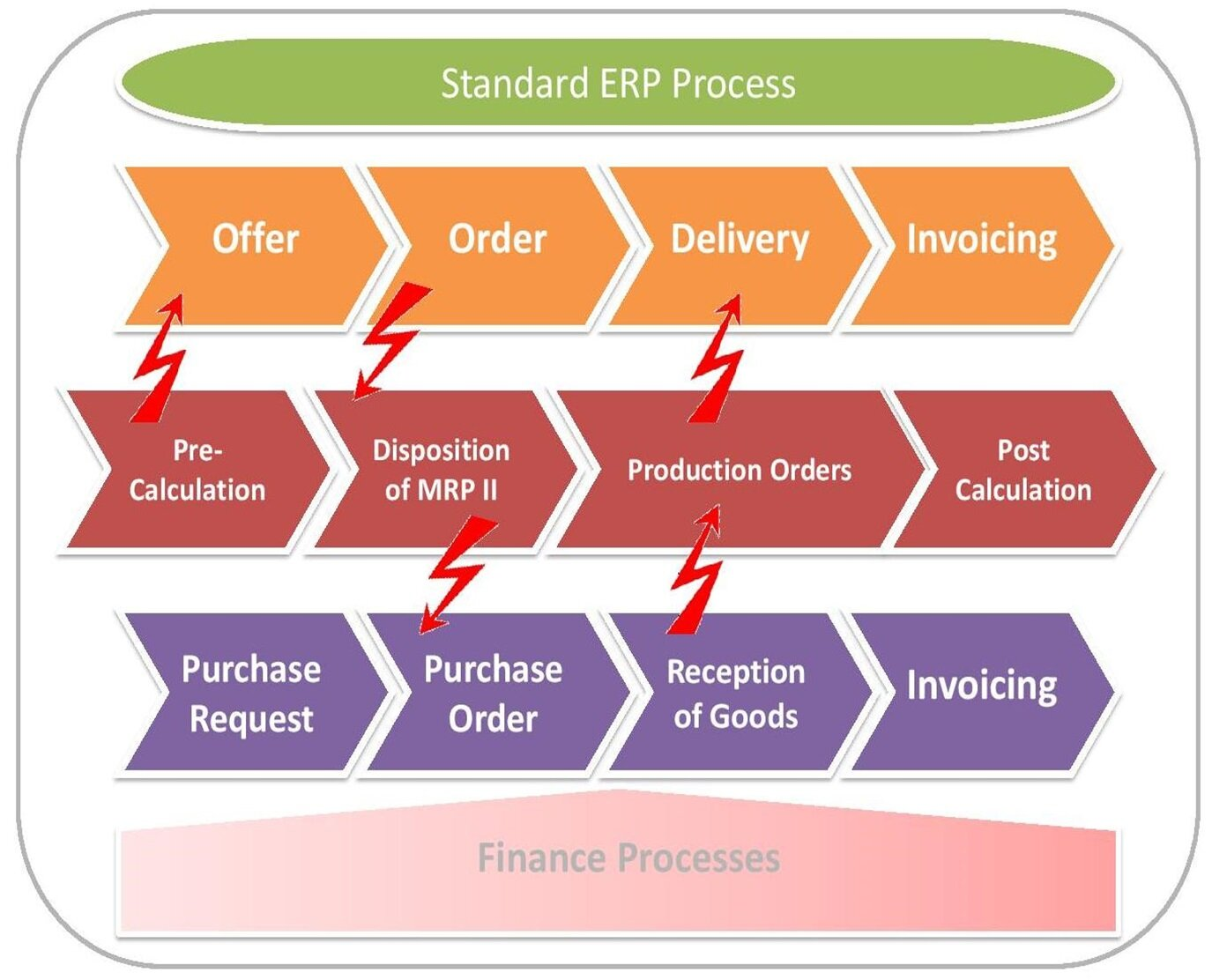
Welcome to the world of ERP (Enterprise Resource Planning), a term you may have heard before but perhaps not fully understood. Simply put, ERP is a software system that helps organizations manage and integrate their core business processes. From finance and HR to supply chain management and procurement, ERP streamlines operations, improves efficiency, and provides real-time insights for better decision-making. So, what exactly is ERP and how can it benefit your business? Let’s dive in and explore the exciting world of ERP together.
Definition of ERP
ERP, which stands for Enterprise Resource Planning, is a type of software that helps organizations manage and integrate their important business processes. From finance to human resources to supply chain management, ERP systems provide a centralized platform for businesses to streamline operations, improve efficiency, and drive growth.
One of the key features of ERP systems is their ability to collect and store data from various departments within an organization. This data is then utilized to create reports, forecasts, and insights that can help decision-makers make informed choices. By having a comprehensive view of the entire organization, leaders can identify opportunities for improvement, optimize processes, and ultimately, increase productivity.
Another important aspect of ERP is the automation of routine tasks. By automating processes such as order processing, inventory management, and payroll, organizations can reduce the risk of errors, save time, and allocate resources more effectively. This not only improves operational efficiency but also allows employees to focus on more strategic tasks that add value to the business.
Moreover, ERP systems enable better communication and collaboration across departments. With a single source of truth for data and real-time updates, teams can work together more efficiently, make decisions faster, and respond to changes in the market more effectively. This level of integration and visibility is crucial for businesses looking to stay competitive in today’s rapidly evolving marketplace.
In summary, ERP is a powerful tool that provides organizations with the capabilities to manage their resources, automate processes, and improve collaboration. By implementing an ERP system, businesses can align their operations, drive growth, and achieve their strategic objectives. It is no longer a luxury but a necessity for companies seeking to thrive in the digital age.
Key features of ERP
Enterprise Resource Planning (ERP) systems are comprehensive software platforms that help businesses automate and integrate their core processes. These systems offer a wide range of key features that can significantly improve efficiency, streamline operations, and provide real-time insights for better decision-making. Some of the key features of ERP include:
1. Integration of business processes: One of the main advantages of ERP systems is their ability to integrate various business processes across different departments. This integration eliminates the need for separate systems for different functions, such as finance, HR, inventory management, and sales. By centralizing all data and processes in a single platform, ERP systems enable better communication and collaboration among teams, leading to improved productivity and decision-making.
2. Customization and scalability: ERP systems are designed to be highly customizable to meet the unique needs of each business. Companies can tailor the system to their specific industry, size, and requirements, ensuring that it aligns with their existing processes and workflows. Additionally, ERP systems are scalable, allowing businesses to easily add new features, modules, and users as they grow. This flexibility makes ERP systems a long-term solution that can adapt to the changing needs of a business over time.
3. Real-time data analytics: ERP systems provide real-time insights and analytics that help businesses make informed decisions and monitor performance. By consolidating data from various sources into a single dashboard, ERP systems enable managers to track key metrics, identify trends, and forecast future outcomes. This real-time visibility into the business allows companies to proactively address issues, seize opportunities, and optimize operations for better results.
4. Automation of repetitive tasks: ERP systems automate routine tasks and processes, such as data entry, reporting, and billing. By eliminating manual work and reducing human error, companies can increase efficiency, accuracy, and consistency in their operations. Automation also frees up employees to focus on more strategic and value-added tasks, leading to higher productivity and employee satisfaction.
5. Mobile accessibility: Many modern ERP systems offer mobile applications that allow users to access the system from anywhere, at any time. This mobile accessibility enables employees to stay connected, collaborate, and make decisions on the go. Whether they are working remotely, in the field, or traveling, users can securely access important data, approve requests, and perform tasks using their smartphones or tablets.
In conclusion, ERP systems offer a wide range of key features that can help businesses streamline operations, improve decision-making, and achieve their goals. By integrating processes, customizing solutions, providing real-time insights, automating tasks, and enabling mobile accessibility, ERP systems empower companies to stay competitive, agile, and responsive in today’s fast-paced business environment.
Benefits of implementing ERP
Implementing an ERP system can result in various benefits for a business. Some of the key advantages include improved efficiency, enhanced decision-making, and cost savings.
1. Improved efficiency: One of the primary benefits of ERP is the streamlining of business processes. By integrating various functions such as finance, HR, and supply chain management into a single system, ERP eliminates the need for multiple software applications and reduces the amount of manual data entry required. This can lead to increased efficiency and productivity as employees can access real-time information and collaborate more effectively across departments.
2. Enhanced decision-making: Another significant advantage of ERP is the availability of accurate and up-to-date data. By centralizing information in a single database, ERP enables managers to make informed decisions based on real-time insights. This can help companies identify trends, anticipate market changes, and respond quickly to customer demands. Additionally, ERP systems often include reporting and analytics tools that allow users to generate custom reports and track key performance indicators, further supporting data-driven decision-making.
3. Cost savings: Implementing an ERP system can also result in cost savings for businesses. While the initial investment in ERP software and implementation can be substantial, the long-term benefits typically outweigh the upfront costs. By streamlining processes, reducing manual errors, and eliminating redundant tasks, ERP can help companies cut operational expenses and improve overall financial performance. Additionally, ERP systems can help reduce inventory levels, minimize stock-outs, and optimize supply chain management, resulting in lower carrying costs and improved cash flow.
In conclusion, the benefits of implementing ERP extend beyond just efficiency and decision-making to include cost savings as well. By centralizing information, streamlining processes, and providing real-time insights, ERP systems can help businesses operate more effectively and competitively in today’s fast-paced business environment.
Types of ERP systems
There are several types of ERP systems available in the market, each tailored to serve different industries and business needs. Let’s take a closer look at some of the most common types:
1. On-premise ERP systems: These traditional ERP systems are installed and operated on the company’s in-house servers and computing infrastructure. They require a significant upfront investment in hardware and software, as well as ongoing maintenance and support. While on-premise systems offer a high level of control and customization, they can be costly and time-consuming to deploy.
2. Cloud-based ERP systems: Cloud ERP systems, also known as Software as a Service (SaaS) solutions, are hosted and maintained by third-party providers in the cloud. This type of ERP system offers businesses the flexibility to access their data and applications from anywhere with an internet connection. Cloud ERP systems typically have lower upfront costs and are easier to implement and scale, making them a popular choice for small and medium-sized businesses.
3. Hybrid ERP systems: Hybrid ERP systems combine elements of both on-premise and cloud-based systems to create a customized solution that meets the unique needs of a business. Organizations can keep sensitive data on-premise while leveraging the scalability and flexibility of the cloud for other functions. Hybrid ERP systems offer the best of both worlds, allowing companies to benefit from the security of on-premise solutions and the accessibility of cloud-based systems.
4. Industry-specific ERP systems: Industry-specific ERP systems are designed to meet the unique requirements of particular verticals, such as manufacturing, retail, healthcare, or finance. These systems come preconfigured with industry-specific modules, workflows, and best practices, making them ideal for businesses with specialized needs. Industry-specific ERP systems can help companies streamline processes, improve efficiency, and stay compliant with industry regulations.
5. Open-source ERP systems: Open-source ERP systems are built on publicly available source code that can be customized and modified by users to suit their specific requirements. These systems are often free or low-cost, making them an attractive option for budget-conscious organizations. While open-source ERP systems offer greater flexibility and control, they may require more technical expertise to implement and maintain.
When selecting an ERP system for your business, it’s essential to consider your industry, size, budget, and desired level of customization. By choosing the right type of ERP system, you can streamline your operations, improve productivity, and drive business growth.
Common challenges in ERP implementation
Implementing an ERP system may seem like a daunting task, but it doesn’t have to be if you are aware of the common challenges that may arise during the process. Below are some key challenges to look out for:
1. Resistance to change: One of the main challenges in ERP implementation is resistance from employees who are comfortable with the current system or processes. Change can be difficult for some people, so it is important to communicate the benefits of the new system and involve employees in the decision-making process to gain their buy-in.
2. Data migration issues: Moving data from an old system to a new ERP system can be a complex and time-consuming process. Data may be stored in different formats and locations, making it difficult to transfer all the information accurately. It is essential to have a thorough data migration plan in place to avoid any data loss or corruption during the transition.
3. Lack of training and support: Another common challenge in ERP implementation is the lack of adequate training and support for employees. If staff members are not properly trained on how to use the new system, they may struggle to adapt to the changes, leading to low productivity and errors. Providing comprehensive training and ongoing support can help employees feel more confident in using the ERP system.
4. Integration issues: Integrating an ERP system with existing software applications and systems can be challenging, especially if they are not compatible with each other. This can lead to data inconsistencies, delays in processing information, and overall inefficiencies in the business operations. It is crucial to thoroughly assess the compatibility of the ERP system with other applications before implementation to avoid any integration issues.
5. Unrealistic expectations: One of the biggest challenges in ERP implementation is having unrealistic expectations about the benefits and capabilities of the new system. Some organizations may expect instant results and a significant improvement in efficiency and productivity overnight. However, the reality is that it takes time for the system to be fully implemented and optimized, and for employees to become proficient in using it. Setting realistic goals and timelines can help manage expectations and ensure a smoother transition to the new ERP system.
By being aware of these common challenges and proactively addressing them, organizations can increase the chances of a successful ERP implementation and reap the benefits of a streamlined and efficient business process.
Originally posted 2025-05-03 02:38:58.